GPT Ran My Team for a Week — Here’s What Happened
For one week, I let GPT help me run the core rhythms of the teams I work with. Not as a gimmick. As an experiment. To see what would surface — not about the AI, but about us. And what I found wasn’t what I expected.

Let me be clear: I didn’t actually give GPT the keys. But I did try something that felt equally risky.
For one week, I let GPT help me run the core rhythms of the teams I work with.
Daily standups, decision prompts, meeting agendas, communication drafts, even a few reframes during moments of tension.
Not as a gimmick. As an experiment. To see what would surface — not about the AI, but about us.
And what I found wasn’t what I expected.
AI Doesn’t Lead. But It Reveals How You Do.
The first thing I noticed? GPT was fast. Efficient. Unflinchingly polite.
But beneath the polished output, something more interesting started to emerge:
The AI wasn’t replacing leadership. It was mirroring it.
When I asked it to prep a meeting agenda, it reflected my own blind spots about clarity.
When I had it generate a summary email, it amplified my tone—calm, but maybe too neutral.
When I prompted it to help me frame a tough feedback moment, it surfaced questions I was avoiding.
In other words, it didn’t just do what I asked. It revealed how I was asking.
Intelligence Without Emotion is… Incomplete
At one point, I had GPT write a note to a team member going through a tough time.
It was articulate. Empathetic. Even kind.
But it lacked something only I could offer: presence.
Reading it back, I realized that AI can simulate emotional tone, but it can’t feel.
It can suggest what to say, but not what needs to be said in that moment, to that person, from that place in you that actually cares.
And that distinction—that gap—is the soul of leadership.
The Quantum Formula, in Action
This experiment also made me look again at the Quantum Leadership formula:
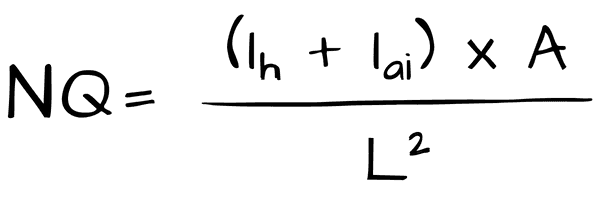
AI (I_ai) added tremendous lift. It helped reduce latency. It sped up sensemaking.
But human insight (I_h) was still essential. AI didn’t notice the emotional undercurrents. It didn’t know when silence meant “something’s off.”
Alignment (A) only deepened when a real human showed up to make meaning, not just decisions.
And Latency (L²)? AI helped shorten it. But it also surfaced where latency wasn’t a tech problem — it was a trust problem.
In short: AI helped everything else become visible.
What Happened with the Teams?
Nothing dramatic. No black mirror moment. No AI uprising.
But what did happen was this:
We started naming more clearly what leadership is and isn’t.
We got clearer on where intelligence lived in the system — and where it was getting blocked.
And we realized that in a world where AI can replicate information, what leaders bring is sensemaking, relationship, and coherence.
Not just answers. Signal.
Final Reflection
So no, I didn’t actually let GPT run the team. But I did learn something essential:
AI can’t lead. But it can show you what kind of leader you are.
And if you’re willing to see that clearly — you might just become a better one.